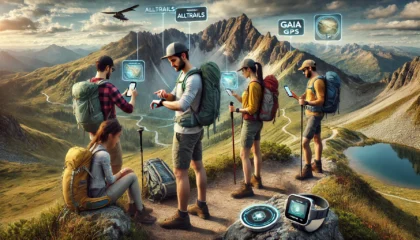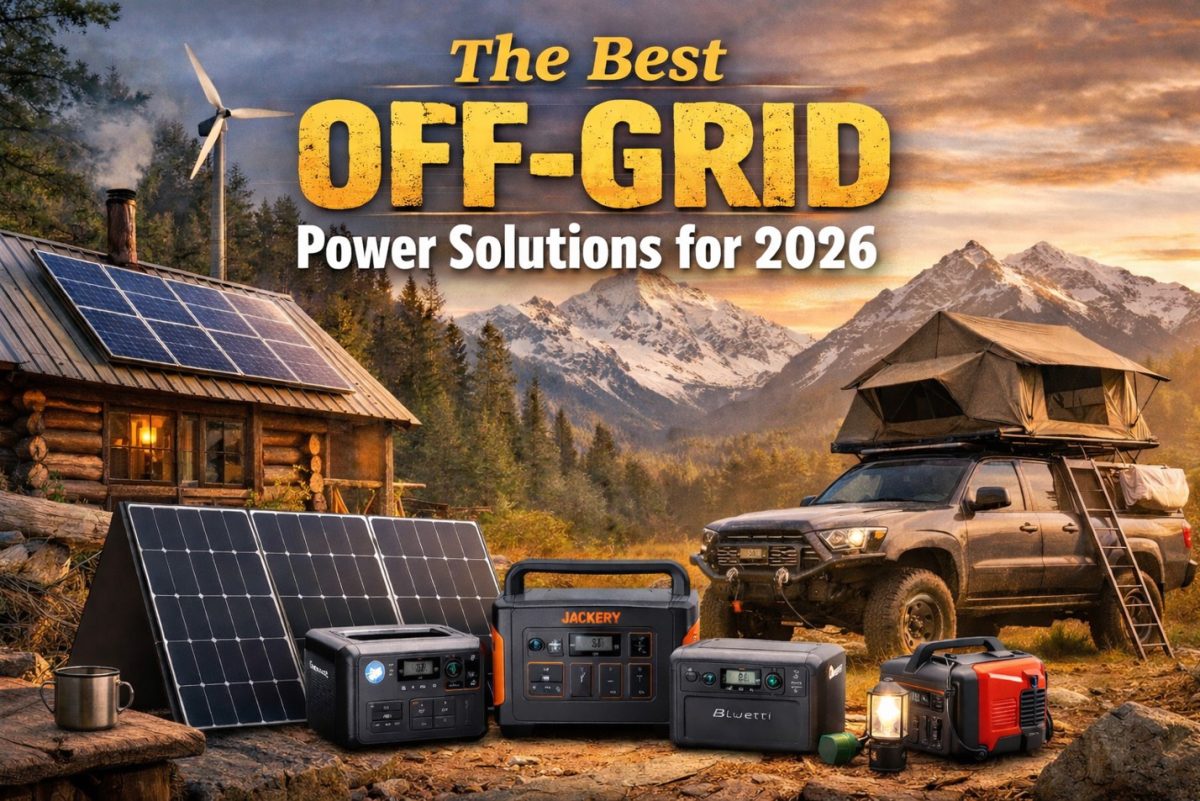
Many of us venture into the wilderness to escape screens and buzzing notifications, only to discover that our phones, GPS units, headlamps and cameras insist on coming along. Between remote work, back‑road van life and extended overland expeditions, a dependable source of electricity has become as vital as a sturdy pair of hiking boots. In fact, the market for portable solar panels alone is projected to grow from US$ 1.52 billion in 2025 to US$ 4.37 billion by 2032—proof that more people than ever are seeking sustainable, off‑grid power solutions.
So how do you stay powered up without dragging a noisy, gas‑guzzling generator into the backcountry? In this guide we break down the latest portable power technologies, share expert tips for selecting the right setup, and recommend gear that will keep your devices—and your campsite—running smoothly.
Why Off‑Grid Power Matters
Portable power stations and solar panels aren’t just cool gadgets; they’re practical tools that can make or break your adventure. Modern lithium‑ion power stations offer a quiet, emission‑free alternative to gas generators. They’re increasingly paired with foldable solar panels, giving you renewable electricity anywhere the sun shines. This combination is ideal for:
-
Extended backpacking trips or bikepacking tours where you need to recharge headlamps, phones or satellite messengers.
-
Overlanding and vanlife; keeping fridges, radios, drones and camera gear running day after day.
-
Homesteading and emergency preparedness—remote cabins, tiny homes or backyard sheds that benefit from a clean backup power system.
As the demand for eco‑friendly outdoor activities such as camping, hiking and RV tailgating rises, portable power gear has evolved. Lightweight, monocrystalline solar panels dominate the market because they’re efficient even in low‑light conditions. Foldable designs now account for roughly 90 % of sales, meaning it’s never been easier to pack a solar kit into a backpack or roof rack.
Decoding Your Power Options
When you start researching “portable power,” you’ll encounter three main categories:
-
Power stations. These are essentially large batteries with built‑in inverters. They provide 120 V AC outlets, DC ports and USB‑C charging. Quality units use lithium‑iron phosphate or lithium‑ion cells and emit no carbon monoxide fumes.
-
Portable solar panels. Flexible or folding panels convert sunlight into electricity. They recharge power stations or small devices directly and are perfect when you’re far from a wall outlet. Global demand is surging because they offer clean, reliable off‑grid energy for outdoor enthusiasts.
-
Fuel generators. Traditional gas or propane generators deliver continuous power but are heavy and loud. They’re still useful at job sites or events but are increasingly being replaced by silent, solar‑powered setups because power stations can be recharged daily with solar panels.
For most backcountry travelers, combining a power station with a foldable solar panel delivers the sweet spot of convenience and sustainability.
How to Choose the Right Power Station
When evaluating a power station, consider these factors:
-
Capacity (Wh). This determines how much electricity the unit can store. A 2 kWh station can charge phones and laptops for days, power a 12 V fridge overnight or run lights and a fan in your rooftop tent.
-
Portability. Weight matters if you’re carrying it in a backpack or between camp and car. The Jackery Explorer 2000 v2 weighs around 39 lbs yet is still considered portable.
-
Recharge options. Look for units that accept solar, 12 V car, and AC charging. Some even allow direct connection to an alternator charger for on‑the‑go recharging.
-
Output ports. Ensure the station has enough AC outlets, USB‑C PD ports and 12 V sockets for your gear. A pure sine wave inverter is essential for sensitive electronics.
Top Portable Power Stations for 2025
Below are several recommended units that balance capacity, weight and affordability. Each link is an Amazon affiliate link to support the site.
| Power station | Key features | Link |
|---|---|---|
| Jackery Explorer 2000 v2 | OutdoorGearLab’s top overall pick; offers ample power for off‑grid camping; lightweight for its class (~39 lbs) and now price‑reduced to under $800. Ideal for multi‑day car camping or home backup. | Check Price |
| EcoFlow Delta Pro | Designed for serious power needs. This unit can supply 3.6 kWh and be expanded to 25 kWh. Perfect for overlanders running multiple fridges, induction cooktops or power tools. | Check Price |
| EcoFlow Delta 3 Plus | A newer 2025 model that, when paired with an 800 W alternator charger, kept a family powered for 29 days on the TransAmerica Trail. Excellent for those who travel long distances between camps. | Check Price |
| Anker 521 Portable Power Station | A compact, budget‑friendly choice for charging phones, laptops and small appliances. Weighing under 9 lbs, it’s great for day hikes, picnics or as a backup battery in your rig. | Check Price |
Best Portable Solar Panels & Chargers
To keep your station topped up, pair it with a foldable solar panel. We’ve included options tested by experts for reliability and value:
| Solar panel/charger | Why we like it | Link |
|---|---|---|
| BigBlue SolarPowa 28 | OutdoorGearLab’s top recommendation; it scored highly for portability and performance. Delivers enough wattage to charge phones, power banks or a smaller power station during day hikes. | Check Price |
| Blavor 10 W Solar Charger | A lightweight, compact and affordable unit that still performs well. Perfect for backpackers who prioritize weight savings. | Check Price |
| Anker 30 W Foldable Solar Panel | Combines high efficiency with a rugged design and integrates directly with Anker power stations; works as a great all‑purpose panel. | Check Price |
| Goal Zero Boulder 50 | A larger 50 W panel ideal for charging mid‑sized power stations or running lights at base camp. Its aluminum frame and built-in kickstand make it easy to setup. | Check Price |
Powering Your Overland Rig & Off‑Grid Cabin
Portable power isn’t just for hikers—overlanders and off‑grid homesteaders rely on it for creature comforts and safety. Veteran overlander Andy Lilienthal emphasizes that off‑grid power is a necessity, noting that portable power stations kept phones, radios and GPS units charged during a 29‑day TransAmerica Trail crossing. He recommends ensuring you have the right panels and accessories to recharge your station.
If you’re outfitting an overland vehicle, think about what you’ll run beyond your devices. 12 V fridge/freezer combos are a game‑changer because they eliminate the need for ice and can even keep ice cream frozen. Units like the Euhomy (19 quart) or the larger ARB (63 quart) Dual Zone Fridge Freezer can plug into a 12 V socket or hardwire to your battery. Pairing a fridge with a power station ensures cold drinks and medications for days. For homesteaders, these setups extend into cabins or tiny homes, powering lights, fans and emergency communication tools.
Recommended Overland & Homestead Accessories
-
EcoFlow 800 W Alternator Charger. When driving, this charger converts your vehicle’s alternator into a generator, replenishing your power station on the move.
-
ARB (63 quart) Dual Zone. Spacious enough for family camping or long expeditions. Dual‑zone control lets you set one side to freeze while the other remains a fridge.
-
Euhomy 19 quarter 12 V Fridge/Freezer. A compact 19 quart option for solo travelers or couples. Draws minimal power so it pairs well with smaller power stations.
-
12 V LED Light String. String lights brighten up camp, draw little power and create a warm ambience for evening meals.
Tips for Maximizing Off‑Grid Power
-
Conserve energy. Turn off unnecessary devices and switch gadgets to airplane mode when not in use. LED headlamps and lanterns draw far less power than incandescent bulbs.
-
Optimize solar charging. Orient panels directly at the sun and reposition them every few hours. Keep them clean from dust and debris. Monocrystalline panels maintain efficiency even in partial shade.
-
Plan for cloudy days. Carry a slightly larger power station than you think you need, or supplement with a small fuel generator for extended bad‑weather trips. Remember that solar panels can take several hours to recharge under ideal conditions.
-
Maintain your equipment. Store batteries between 20–80 % when not in use, avoid extreme temperatures and periodically exercise the cells by charging/discharging.
Final Thoughts
-
Going off grid doesn’t mean you have to abandon modern comforts. With efficient power stations and portable solar panels, you can venture farther, stay longer and reduce your reliance on noisy, polluting generators. The portable power market is booming, and innovations like foldable monocrystalline panels and high‑capacity lithium batteries make it easier than ever to live (and work) out of a backpack or an overland vehicle.
Whether you’re planning a thru‑hike, outfitting your van for a year‑long road trip or setting up a tiny homestead, the right off‑grid power gear will pay for itself in peace of mind. As always, invest in quality equipment, practice safe operation and never forget the real reason you’re heading into the wilderness: to reconnect with nature—no generators required.